Beige Flags in Online Dating: Canada's Bland Profile Clichés Explained (2026)
Not every profile trait deserves a warning label. Pew Research Center's 2023 online dating research found that many users say it's genuinely hard to tell one profile from another, and beige flags are a big part of why. They aren't dangerous like red flags or reassuring like green flags. They're just beige: harmless, universal, and instantly forgettable. Here's what the term actually means, and what to do about it.
What Is a Beige Flag in Online Dating?
A beige flag is a profile trait so bland, common, or oddly specific that it tells you almost nothing about the person behind it. It won't scare off a match, and it won't win one over either. It just blends into the wallpaper of every other profile on the app.
The term sits between green flags, genuine signs of a respectful, reliable match, and red flags, real warning signs worth taking seriously. A beige flag is neither. DataReportal's Digital 2025 report notes Canadians spend a considerable chunk of daily screen time on social and dating platforms, which means a beige bio is competing against dozens of near-identical ones scrolled past in the same sitting.
Think of a beige flag as a shrug, not a stop sign. It rarely ends a conversation before it starts. It rarely starts one either.
Where Did the Term "Beige Flag" Come From?
The phrase spread across social media around 2022 and 2023 as a lighter counterpart to the red-flag and green-flag trend, describing traits that are simply neutral rather than meaningful. It caught on fast because most dating profiles aren't actually alarming. They're just kind of dull.
Before beige flags, dating language leaned heavily toward warnings: love bombing, breadcrumbing, ghosting. Green flags balanced that with positive signals worth noticing. Beige flags filled the enormous grey zone in between, where most real profiles actually live. Ipsos's 2023 research on dating app habits found swiping fatigue is common among Canadian users, and a good share of that fatigue comes from scrolling past profile after profile saying essentially the same three things.
It's less a dating red flag and more a dating shrug emoji.
How Is a Beige Flag Different From a Green or Red Flag?
A red flag warns you, a green flag reassures you, and a beige flag just sits there, neutral. It tells you almost nothing about whether someone will make a good match.
Green and red flags track behaviour over days or weeks: consistent replies, respected boundaries, or the opposite. Beige flags usually live inside a single bio line or photo choice, one snapshot rather than a pattern. For the fuller picture on spotting genuine, trustworthy signals once a conversation gets going, see our guide to green flags in online dating. This piece stays in the fun, mostly harmless middle ground.
What Are the Classic Canadian Beige Flags?
Canadian dating profiles have their own regional beige flags, and most daters can spot one within three seconds of a swipe. Statistics Canada's recreation data from 2023 shows outdoor activities like fishing and camping remain among the most commonly reported pastimes nationwide, which explains why so many profiles feature nearly the same photo.
Here are seven that show up again and again, from coast to coast. Sound familiar?
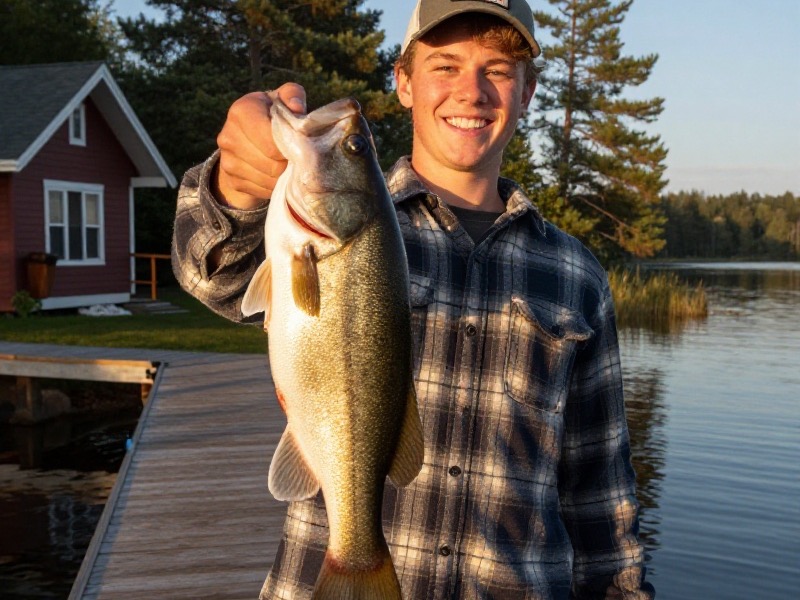
The Fish-at-the-Cottage Photo
Someone, somewhere, is always holding a pickerel at arm's length in front of a dock. It's not a bad photo. It's just the same photo an awful lot of Canadian profiles seem to have, especially after a long weekend up north.
I Love Travelling (With a Banff Photo)
Turquoise water, a mountain ridge, a caption reading "I love to travel." It's a beautiful photo of a beautiful place. It's also one of the most repeated combinations west of Ontario, and it tells a match nothing about who took it.
The Tim Hortons Order as a Personality
"Double-double kind of person" is not a personality trait, it's a coffee order shared by a large chunk of the country. It's relatable. It's also completely uninformative, which is exactly what makes it beige instead of red or green.
Hockey-Team Allegiance as a Whole Bio
Angus Reid Institute polling has repeatedly found hockey holds an outsized place in Canadian identity and everyday conversation. A bio that says nothing except "Leafs fan, don't @ me" leans on that shared identity instead of saying anything about the actual person behind it.
Ask Me Anything
An open invitation with zero starting point. It sounds inviting, but it quietly hands all the conversational effort back to the other person, which is the opposite of what a good opener should do.
The Mountain Photo With No Face
A stunning ridge line, a tiny human silhouette, sunset colours. Gorgeous. Also completely useless for figuring out what the person actually looks like, which is presumably the point of a dating profile photo.
The Group Photo Guessing Game
Five people, one caption, zero indication of which one sent the match. It's one of the most common complaints among daters trying to figure out who they're actually talking to before sending a first message.
Why Are Beige Flags So Common in Canadian Profiles?
Beige flags cluster in Canada because the same handful of activities, landscapes, and cultural touchstones show up in nearly everyone's camera roll. Statistics Canada's 2023 leisure and travel data shows cottage country, national parks, and winter sports dominate how Canadians spend free time, and that shared lifestyle naturally produces repetitive profiles.
It's not really laziness. Most people genuinely do love their cottage weekend or their trip to Banff. The problem is thousands of other profiles love the exact same things in the exact same way, so a photo meant to show personality ends up showing the opposite: how similar everyone's summer looks from the outside.
Add a culture that leans toward modesty over self-promotion, something Ipsos consumer research from 2023 has noted among Canadian respondents, and you get bios that undersell rather than oversell. Beige, in other words, is a fairly Canadian instinct.
Are Beige Flags Actually Harmful?
No. Beige flags aren't dangerous the way red flags are, and treating them as deal-breakers usually says more about swiping fatigue than about the person behind the profile. Pew Research Center's 2023 research ties most negative online dating experiences to dishonesty, harassment, or pressure tactics, not bland bios.
A fish photo has never scammed anyone. A hockey-team bio has never ghosted anyone. Beige flags are aesthetic annoyances at worst, not safety concerns, and keeping that distinction clear matters, so genuine warning signs, like money requests or avoiding video calls, don't get lost among people rolling their eyes at yet another mountain photo.
The real cost of a beige flag isn't danger. It's a missed connection: a genuinely great match dismissed because their bio didn't do them justice.
How Do Beige Flags Quietly Cost You Matches?
Beige flags cost matches by making a profile forgettable rather than making it look bad. DataReportal's Digital 2025 figures show Canadians spend meaningful stretches of screen time on social and dating apps daily, and in that much scrolling, a profile has a second or two to register before a thumb moves on.
A blank "ask me anything" or a faceless mountain shot gives someone nothing specific to respond to, so they respond to nothing at all and keep scrolling. It's not rejection, it's noise cancellation. The profile didn't say enough to be remembered five profiles later.
Platforms built around mutual-match systems, like DateWiz, cut some of that noise by only opening a conversation once both people have already shown interest, but the profile itself still has to earn a second look first.
How Can You Audit Your Own Profile for Beige Flags?
Read your own bio and photos as if a stranger has three seconds and a hundred other profiles competing for their attention. If nothing in it could only be about you specifically, it's probably beige.
- Does at least one photo show your face clearly, not a silhouette?
- Could your caption be copy-pasted onto five other profiles without anyone noticing?
- Do you name a specific place, hobby, or story instead of a category like "travel" or "food"?
- If someone asked "tell me more," could you actually answer, or would you shrug?
- Is there one detail a stranger couldn't guess, something oddly specific rather than broadly relatable?
None of this means ditching the cottage photo entirely, favourite places are still worth sharing. It means pairing the familiar shot with one specific detail: which fish, which trail, which recreation centre league you play in on Tuesdays. Specificity is what turns beige into memorable.
When Is a Beige Flag Actually a Low-Effort Signal Worth Noticing?
So when does a boring photo cross over into "not trying"? A single beige flag rarely means much on its own, but several stacked together, with no specific detail anywhere in the profile, often signals genuinely low effort rather than bad luck with photo selection. Ipsos's 2023 research on dating app engagement found profile completeness is one of the stronger predictors of response rate among Canadian users.
One faceless mountain photo is an aesthetic choice. Five faceless mountain photos, a one-word bio, and an "ask me anything" with no other information is a pattern. At that point the beige flag does double duty: it's boring, and it's a fair proxy for how much effort someone is likely to put into an actual conversation.
That's not a reason to write someone off outright, plenty of great people are just bad at bios. It's a reason to lower your expectations for a fast reply, and maybe be the one to break the ice yourself.
How Do You Reply to a Beige Flag to Start a Real Conversation?
The fastest way past a beige flag is to ask about the one specific detail hiding behind it, instead of commenting on the generic photo itself. A question about which lake, which trail, or which Tim Hortons order gives someone an easy, specific opening instead of another "nice pic."
If someone's whole bio is a hockey team, ask about the worst game they've ever watched live, not whether they're a fan. If it's a faceless mountain shot, ask which trail it is and whether it was worth the hike. If every photo is the same neighbourhood coffee shop, ask if it's genuinely their favourite or just the closest one. Specific questions turn a beige flag into the start of an actual story, and most people are relieved to talk about something more interesting than their profile photo.
For more on what actually works as a first line, see our guide to writing a first message on dating apps. Beige flags are, in a strange way, an easy opening. There's usually a real story hiding behind almost every one of them, you just have to ask for it.
Can a Beige Flag Turn Into a Green Flag With One Good Message?
Yes, often within a single exchange. A generic photo paired with one great, specific answer to a direct question flips the entire impression, because a beige flag is about missing information, not bad character.
The fish photo becomes interesting the moment someone tells the story of the world's most anticlimactic catch. The hockey bio becomes memorable once someone admits they cried during a playoff loss. Beige flags are blank space waiting for one real detail. Once that detail shows up, they stop being beige entirely.
What Should You Do If Your Whole Profile Is Beige?
Rewrite one photo and one line, not the whole profile. Small, specific edits tend to work better than a full overhaul, because a single memorable detail is often all it takes to separate a profile from the hundred others scrolled past that evening.
Swap the faceless mountain photo for one clear face shot, then keep a favourite candid from the trip as a second photo. Replace "I love travelling" with the actual place that surprised you and why. Trade the group photo for a cropped, clearly-you version, even if it's less flattering as a group shot.
Apps like DateWiz only open a conversation after mutual interest, so a stronger, more specific profile is more likely to get noticed by the right match instead of disappearing into an infinite scroll of Banff photos.